
Geotechnical engineering
Geotechnical
Engineering.
Engineering models, analyses and recommendations developed from verified ground information.
Evidence into engineering decisions
Understanding the ground is the start. Designing for it is the purpose.
Our engineers convert field observations, laboratory results and geological interpretation into a defensible ground model, design parameters and practical recommendations. Assumptions, uncertainty and limitations remain visible throughout the process.
Ground model
Engineering stratigraphy, groundwater conditions and representative design parameters.
Foundations
Bearing resistance, settlement assessment and foundation recommendations.
Slopes & earthworks
Stability assessment, cut-and-fill considerations and earthworks guidance.
Excavations
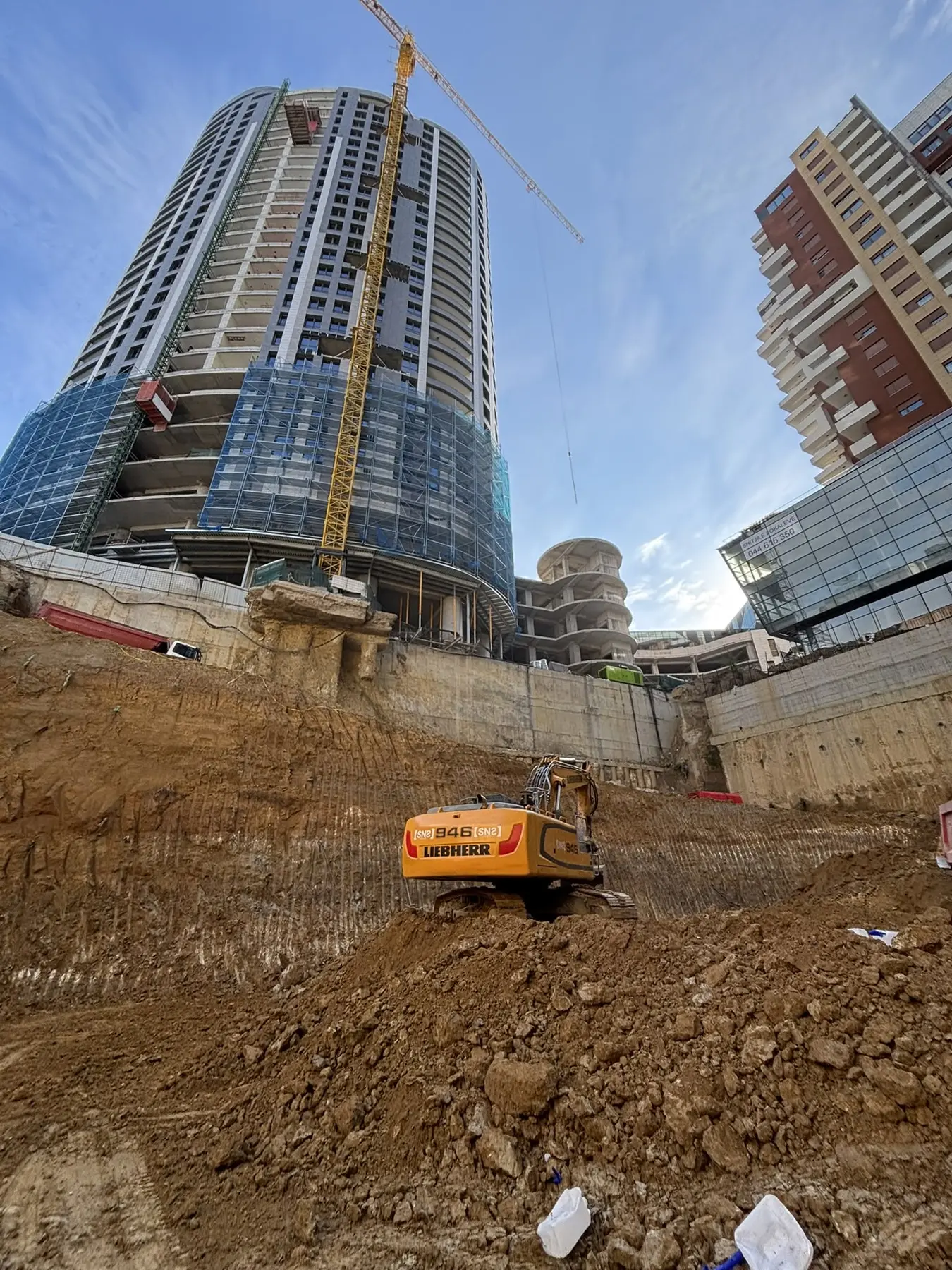
Temporary support input, groundwater constraints and construction sequencing considerations.
Ground improvement
Review of proposed concepts and development of proportionate alternatives.
Construction support
Inspections, verification and practical resolution of ground-related issues on site.
Engineering where it matters
From the report to the excavation.
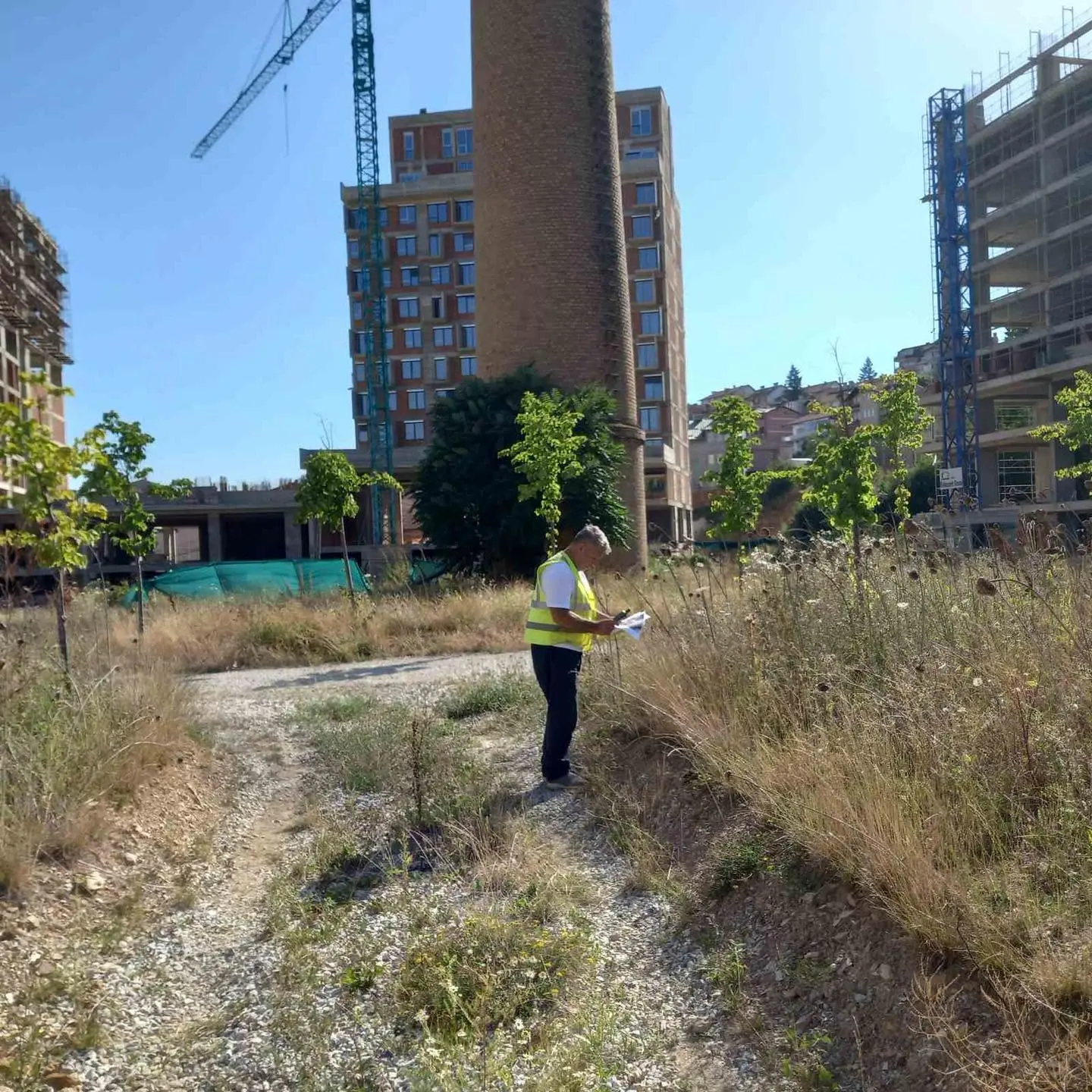
Geotechnical engineering cannot stop when the report is issued. Actual ground conditions, temporary works and construction decisions require continuity between investigation, design and execution.
- Geotechnical investigation reports
- Design parameters and recommendations
- Foundation and settlement assessment
- Slope-stability assessment
- Groundwater and dewatering considerations
- Construction-stage technical support
A traceable line of reasoning
Every recommendation should lead back to evidence.
International technical support
For ground-investigation contractors and specialist geotechnical consultancies requiring additional technical delivery capacity.
Explore international technical support ↗